High-Quality Fencing Project – Supplied & Fitted
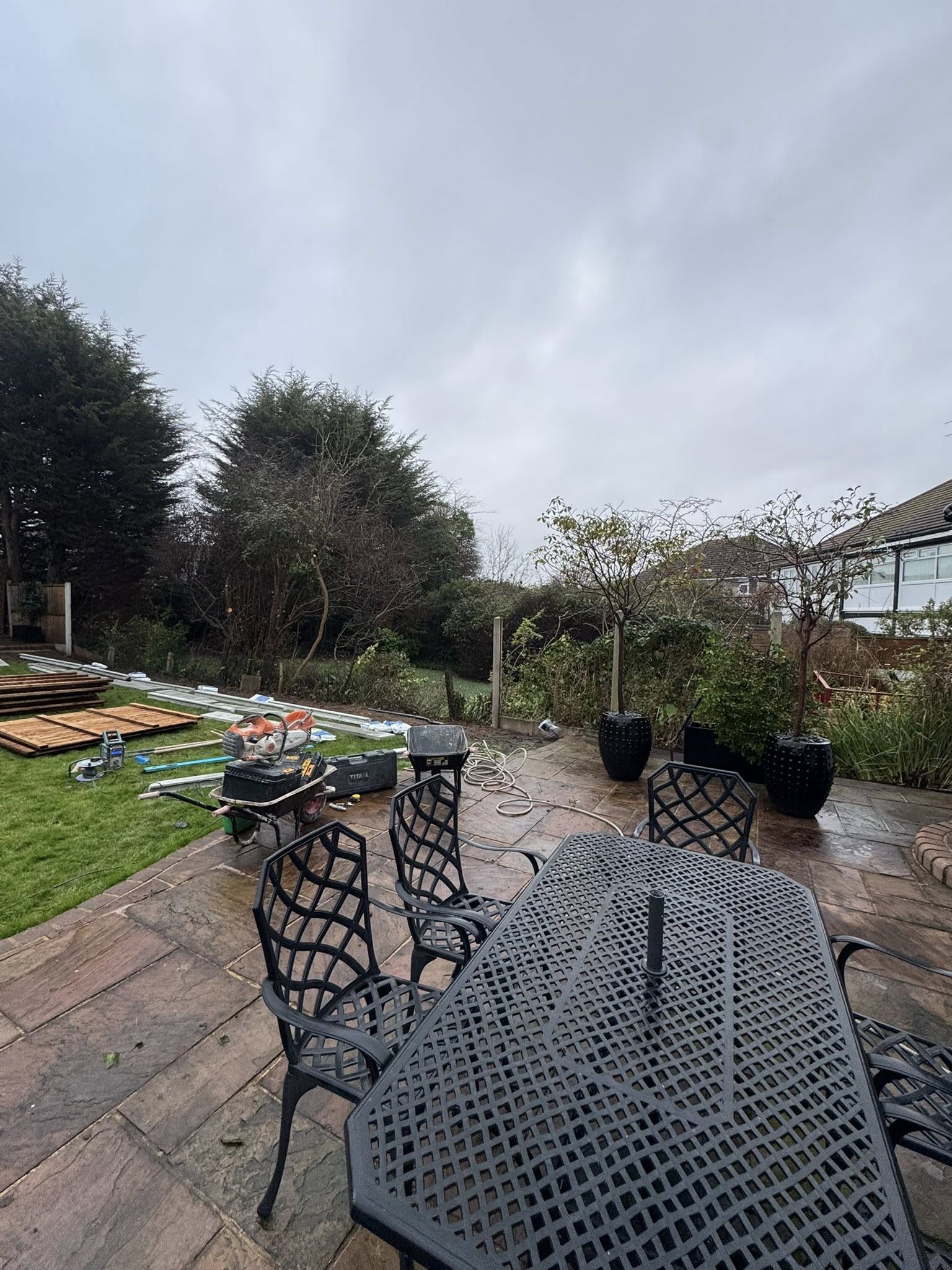
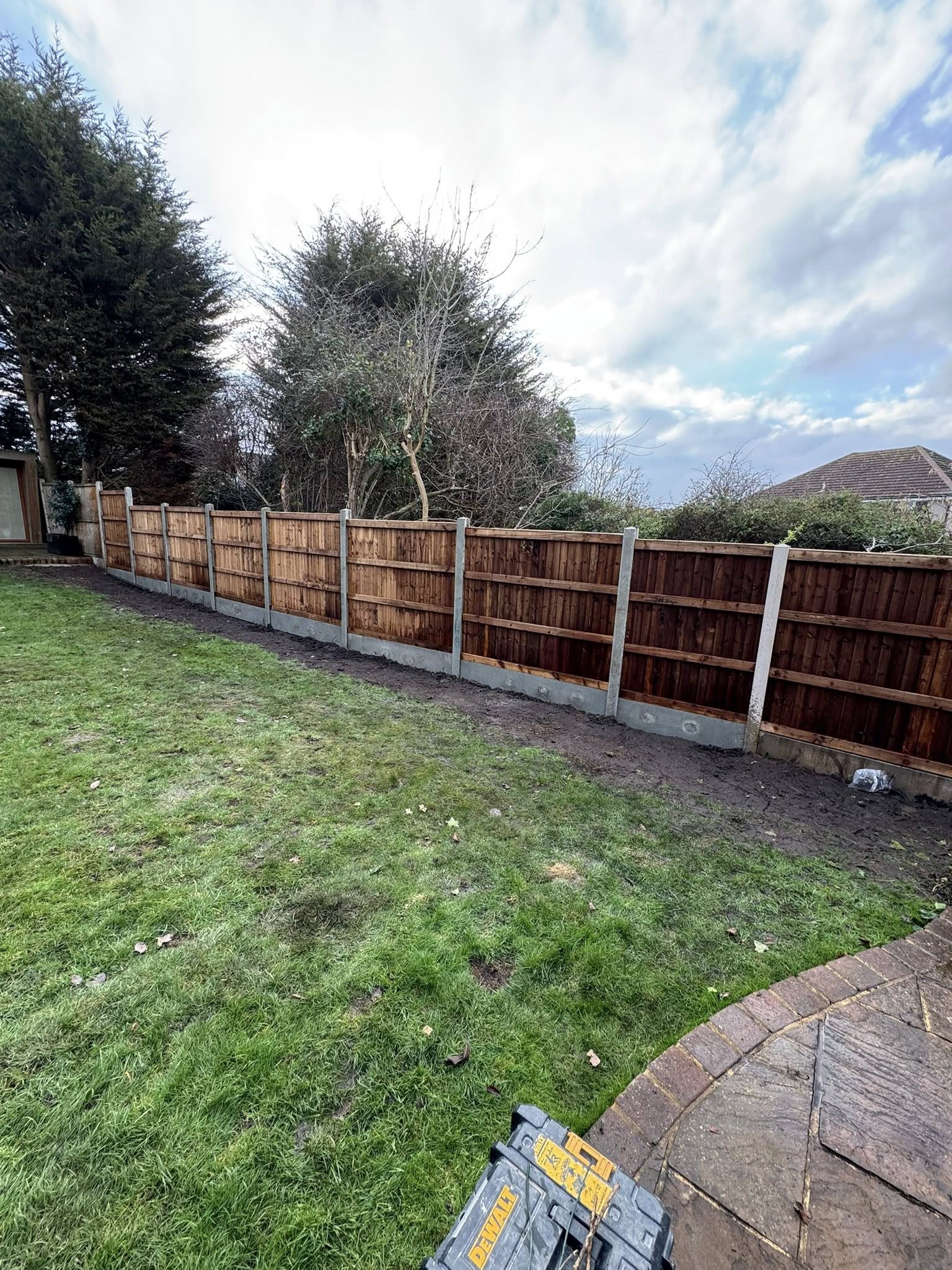
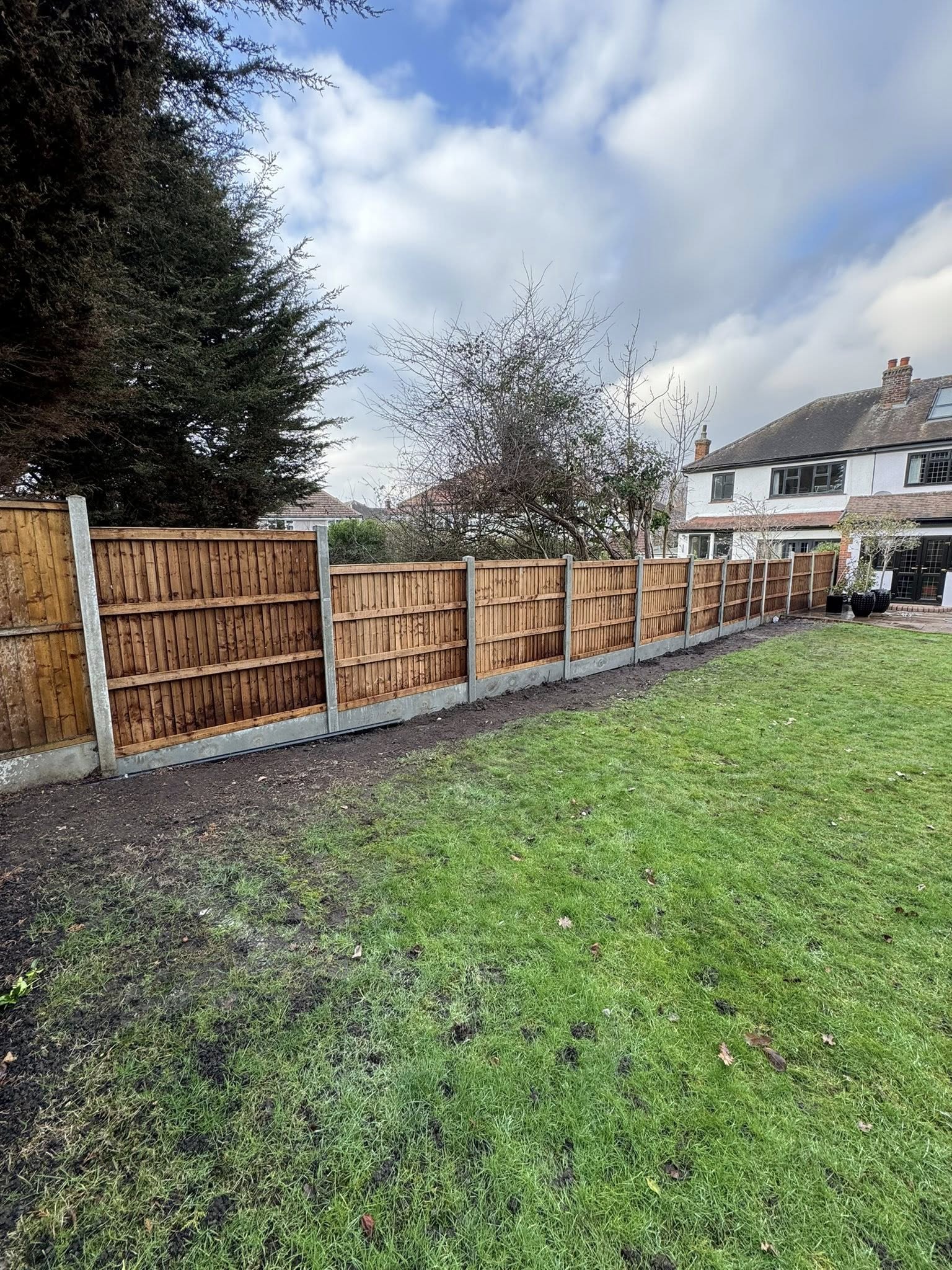
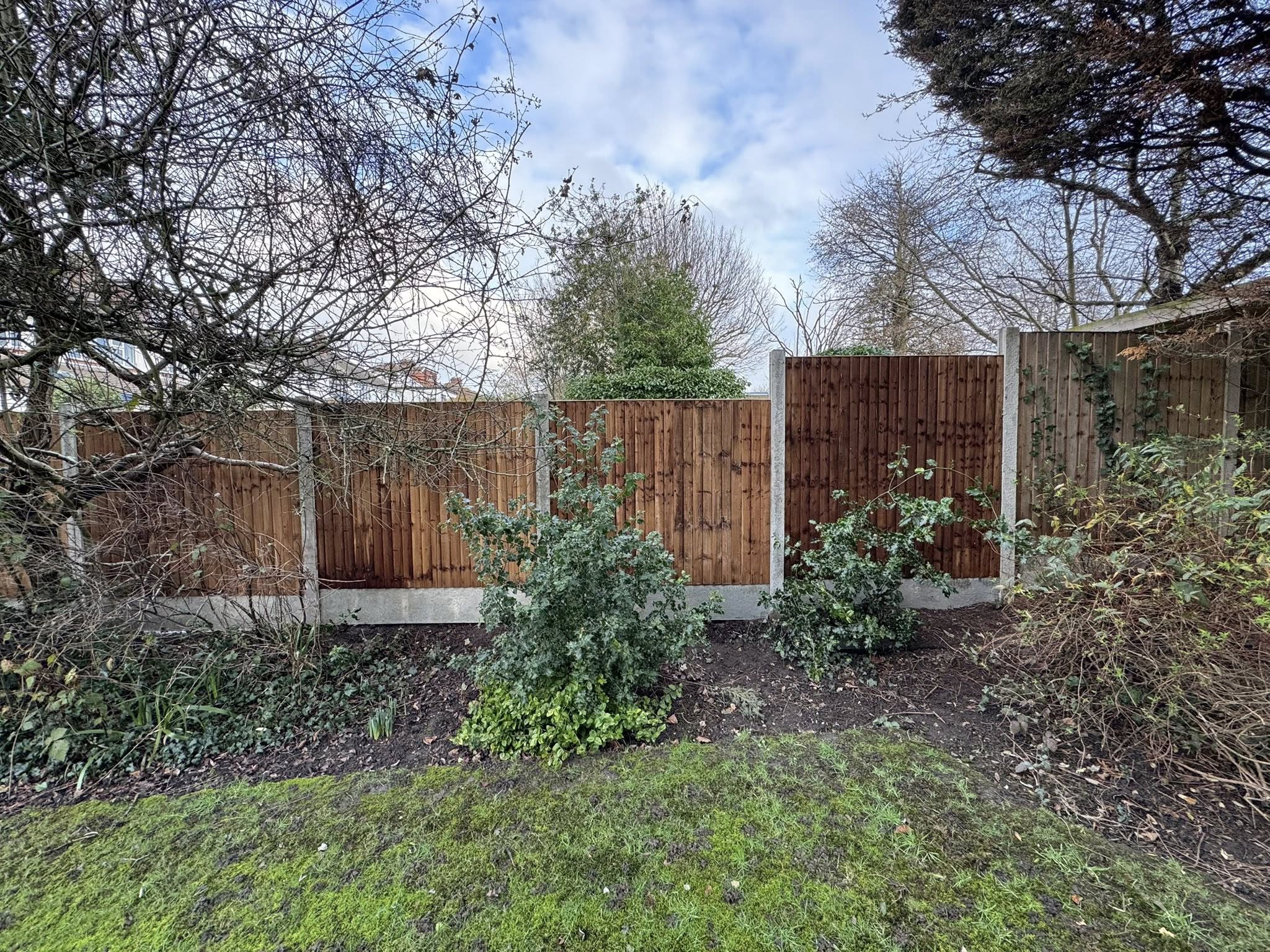
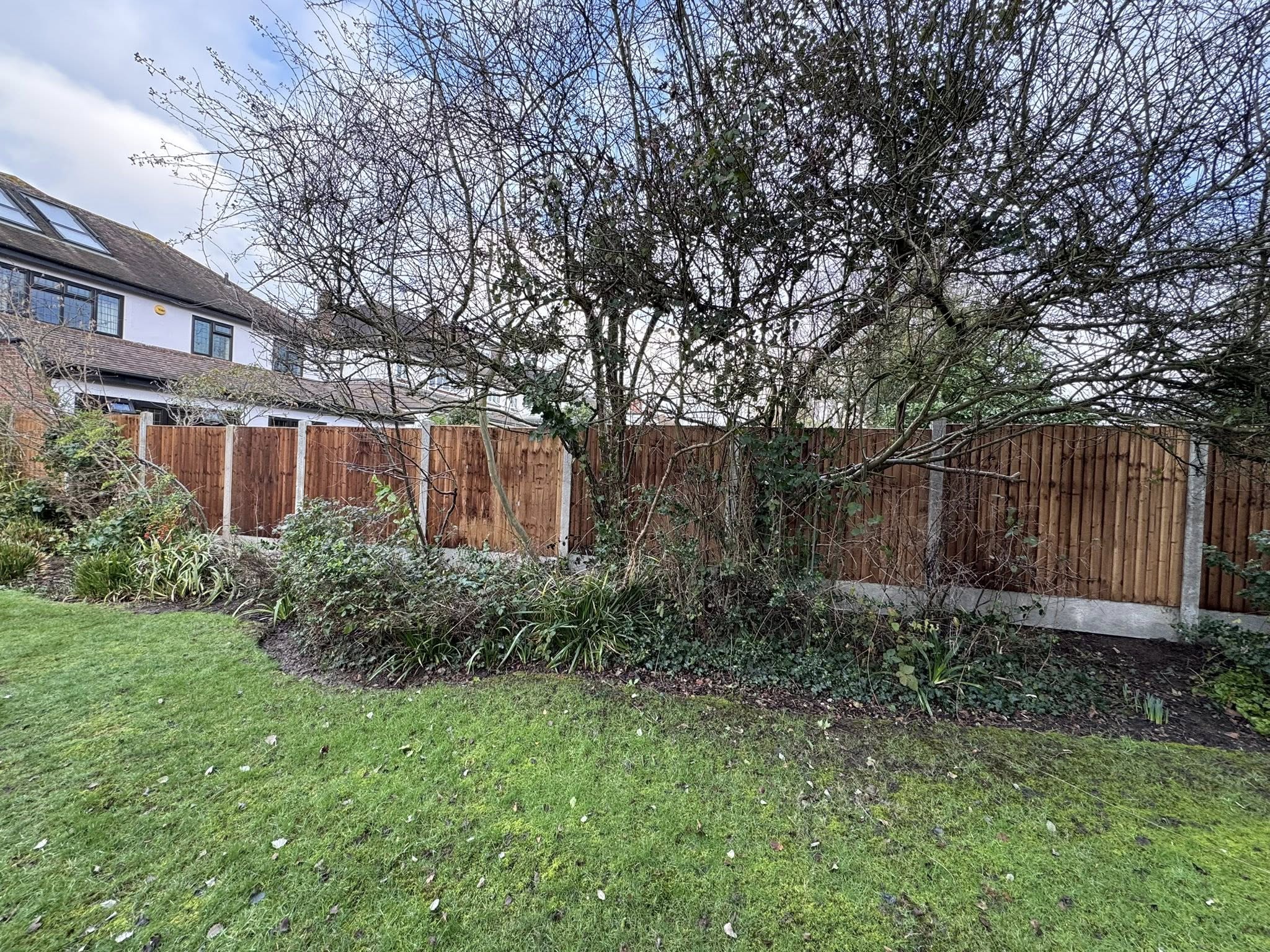
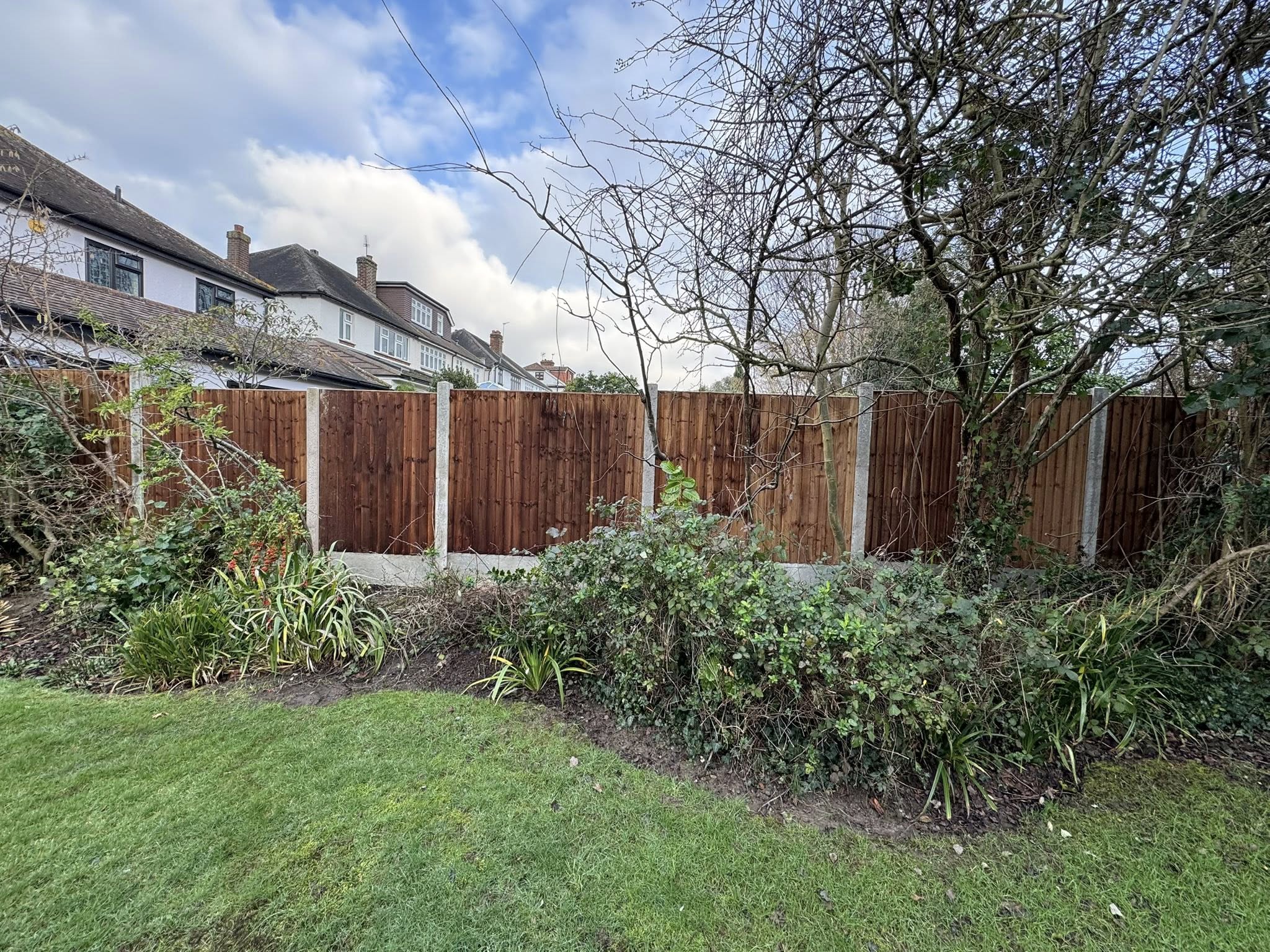
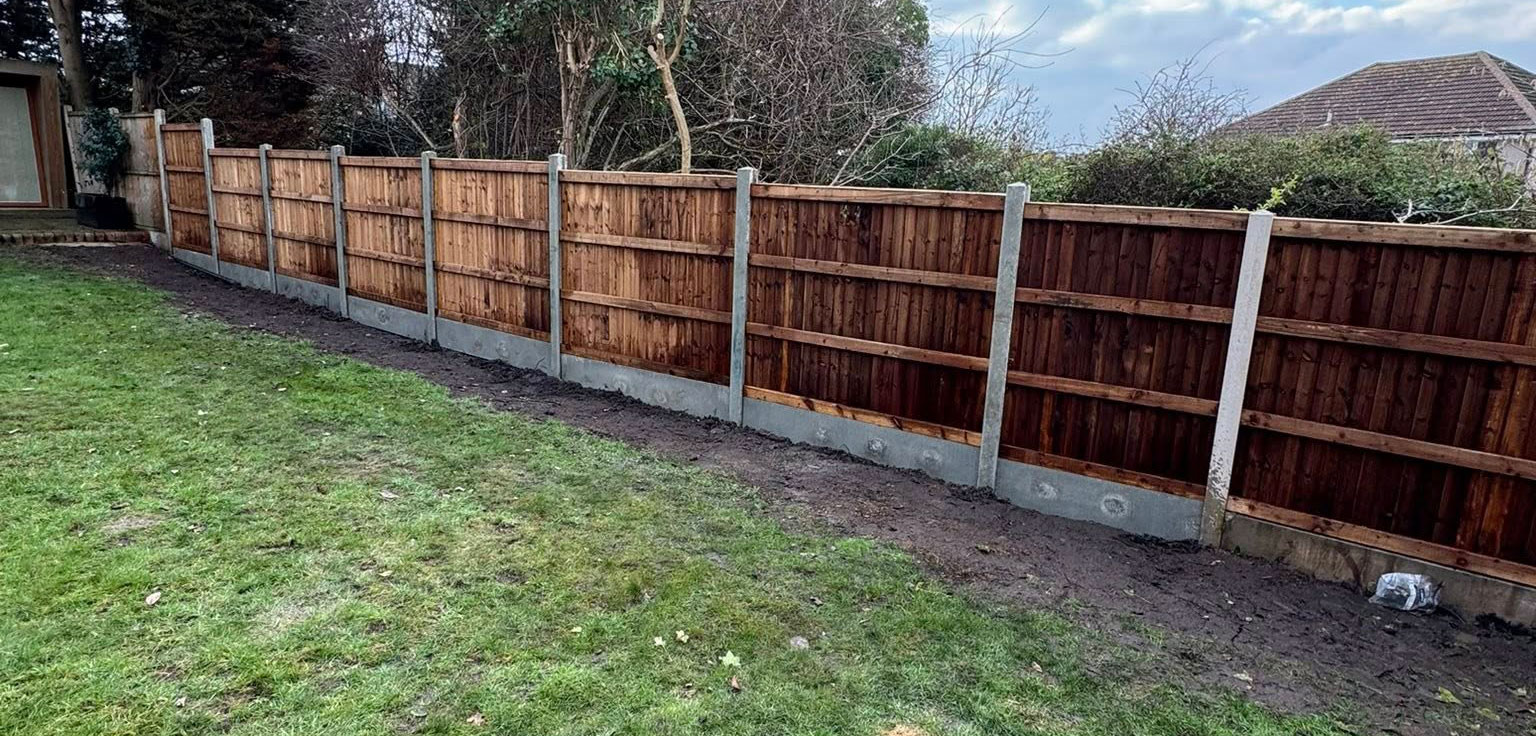
We removed an old chain link fence and replaced it with 7½ new bays of timber fencing, also replacing 3 existing panels to match in seamlessly with the new run — giving the boundary a consistent, secure, and much-improved finish from end to end.
Materials Used:
- 6×5 Treated Featheredge Panels
- Concrete Posts
- Gravel Boards
We also supply and fit 6×6, 6×4, 6×3, and 6×2 panels for smaller boundaries — all styles tailored to your garden and budget.
The Brief
The existing chain link fence had deteriorated and no longer offered proper privacy or security. The client wanted a full replacement using a stronger, longer-lasting timber solution, along with 3 older panels elsewhere on the boundary brought up to match — so the whole run looked cohesive rather than patched together.
What We Did
- Removal of old chain link fencing — cleared the existing fence line, including old posts, ready for a full rebuild.
- Concrete posts installed — set at consistent spacing to give the new fence line long-term structural stability, avoiding the leaning and rot that timber posts are prone to over time.
- Gravel boards fitted — installed at the base of each bay to keep the featheredge panels clear of ground contact, reducing moisture damage and extending the lifespan of the timber.
- 6×5 treated featheredge panels fitted — 7½ new bays installed to the full run, with panels cut and adjusted where needed to keep the line straight and level across uneven ground.
- 3 existing panels replaced — matched to the new featheredge style and treatment so the whole boundary reads as one consistent fence line, not a mix of old and new.
The Result
A secure, private, and visually consistent boundary fence, built to withstand exposure and everyday wear — with concrete posts and gravel boards providing a structural base that will outlast the timber panels themselves, making future panel replacement straightforward if ever needed.
Q&A: Fencing Projects
Q: Why use concrete posts instead of timber posts? A: Concrete posts don’t rot, warp, or lean over time the way timber posts can, particularly at ground level where moisture exposure is highest. They provide a longer-lasting structural base, even though the fence panels themselves are timber.
Q: What is a gravel board and why is it used? A: A gravel board is a board fitted along the base of a fence, between the ground and the bottom of the panel. It keeps the timber panel clear of direct soil and moisture contact, which significantly reduces the risk of rot at the base of the fence.
Q: What does “featheredge” mean for fence panels? A: Featheredge refers to timber boards that are tapered from thick to thin along their width and overlapped vertically. This style is more durable and weather-resistant than standard overlap panels, as the tapered boards shed water more effectively.
Q: How long does treated featheredge fencing typically last? A: Pressure-treated featheredge panels, properly installed with concrete posts and gravel boards, typically last 15–25 years depending on exposure and ground conditions.
Q: Can old and new fence panels be matched to look consistent? A: Yes — as in this project, older panels can often be replaced individually using the same style and timber treatment as the new fencing, so the finished boundary looks uniform rather than mismatched.
Looking for fencing installation or repairs at your property? View our full fencing services →